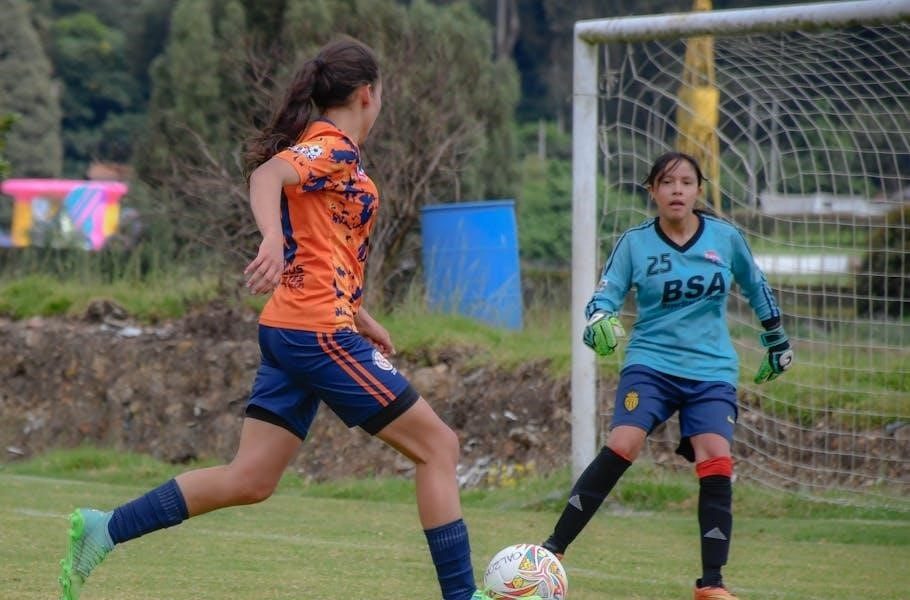
soccer glove size guide
Soccer Glove Size Guide: Finding the Perfect Fit (Updated April 30, 2026)
Finding the ideal goalkeeper gloves requires understanding that size encompasses more than just finger length; it’s about achieving an optimal balance for peak performance․
Understanding Goalkeeper Glove Sizing
Goalkeeper glove sizing isn’t a one-size-fits-all scenario; it’s a nuanced process demanding careful consideration of multiple factors; The correct size isn’t merely about comfort, but fundamentally impacts a goalkeeper’s ability to effectively handle the ball, maintain control, and react swiftly during matches․ A poorly fitted glove can hinder dexterity, reduce grip strength, and even increase the risk of injury․
Each glove size is engineered to provide an optimum ratio between all its components – palm, fingers, and backhand – ensuring a secure and responsive fit․ Beyond basic hand measurements, understanding how different glove cuts and latex thicknesses influence sizing is crucial․ Glove cuts, determined by the palm construction, affect flexibility and ball feel․ Therefore, selecting the right size is the foundational step towards maximizing performance and confidence on the field․
Why Glove Size Matters for Performance
Proper goalkeeper glove sizing is paramount to maximizing performance and minimizing errors during gameplay․ A glove that’s too large compromises dexterity and control, making it difficult to securely grasp and distribute the ball effectively․ Conversely, a glove that’s too small restricts movement, causing discomfort and hindering a goalkeeper’s reaction time․
Optimal sizing ensures a snug, yet flexible fit, allowing for natural hand movements and a superior feel for the ball․ This enhanced connection translates to improved catching, punching, and throwing accuracy․ Furthermore, a well-fitted glove provides better protection against impact, reducing the risk of hand and wrist injuries․ Ultimately, the right glove size empowers goalkeepers to perform at their best, instilling confidence and contributing to overall team success․
Measuring Your Hand for Goalkeeper Gloves
Accurate hand measurement is the cornerstone of selecting the correct goalkeeper glove size․ This process ensures a comfortable and performance-enhancing fit, crucial for optimal control and responsiveness․ Begin by extending your arm and fully opening your hand, as if preparing to catch a ball․ Use a flexible measuring tape to determine both your hand circumference and length․
Wrap the tape around the widest part of your palm, excluding your thumb, to obtain the circumference measurement․ For hand length, measure from the base of your palm to the tip of your longest finger․ Record both measurements in inches or centimeters, ensuring consistency․ These figures will serve as your guide when referencing glove size charts, leading you to the perfect fit for your hands․
Tools You’ll Need for Accurate Measurement
Obtaining precise measurements for goalkeeper gloves requires only a few readily available tools․ The most essential item is a flexible measuring tape – fabric or plastic versions work best, conforming to the contours of your hand for an accurate reading․ Avoid metal tapes, as they lack the necessary flexibility․
A pen and paper (or a digital note-taking device) are needed to record your hand circumference and length measurements․ Accuracy is key, so double-check your readings․ Optionally, a helper can be beneficial, especially when measuring your own hand, ensuring the tape remains snug but not overly tight․ Finally, a flat surface provides a stable base for measurement, minimizing errors and ensuring consistent results․
Standard Goalkeeper Glove Size Chart
Navigating goalkeeper glove sizes begins with understanding the standard charts, which categorize gloves based on hand size․ These charts serve as a starting point, but individual preferences and brand variations necessitate careful consideration․ Generally, sizes range from 6 to 11, with half sizes often available for a more customized fit․
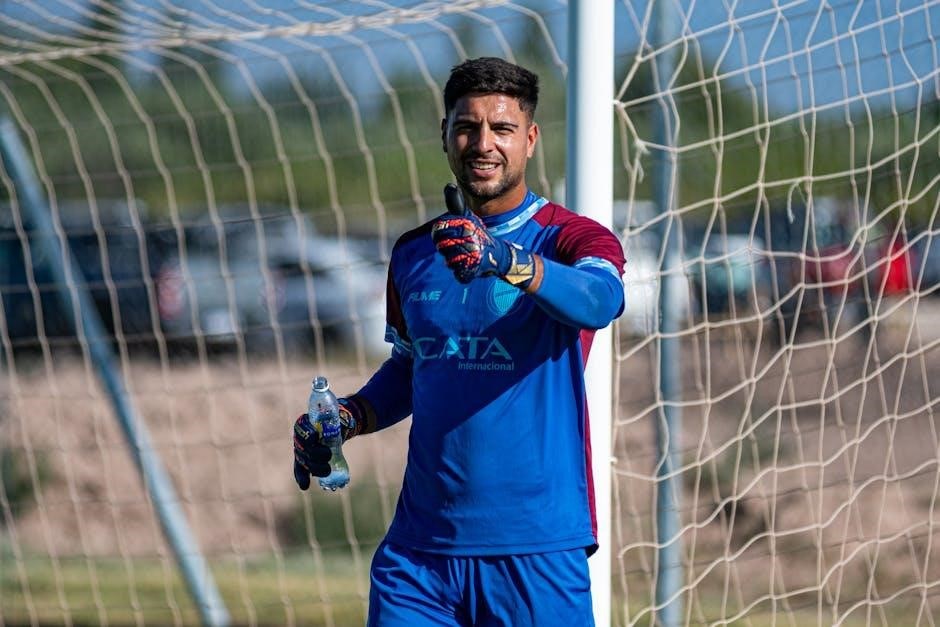
Youth glove sizes typically span from 5 to 8, catering to younger players with smaller hands․ Adult sizes generally begin at 8 and extend to 11 or even larger, accommodating a wider range of hand dimensions․ Remember, these are approximate guidelines; always prioritize a snug, comfortable fit over relying solely on numerical sizing․ Consulting specific brand charts is crucial for optimal selection․
Youth Goalkeeper Glove Sizes
Determining the correct glove size for young goalkeepers is vital for both performance and comfort․ Youth sizes generally range from 5 to 8, but this can vary slightly between manufacturers․ A proper fit allows for optimal ball control and prevents discomfort during play․
For younger players with smaller hands, starting with a size 5 or 6 is often appropriate; As they grow, transitioning to sizes 7 and 8 becomes necessary․ It’s crucial to measure their hand circumference and length (detailed in other sections) to ensure accuracy․ Avoid gloves that are too large, as this can hinder dexterity and control․ Prioritize a snug fit that doesn’t restrict movement, allowing young goalkeepers to develop their skills confidently․
Adult Goalkeeper Glove Sizes
Adult goalkeeper glove sizes typically span from 7 to 11, catering to a wider range of hand dimensions․ Size 8 is often a good starting point for many adult males, while women may find sizes 7 or 8 more suitable․ However, individual hand size varies significantly, making precise measurement essential․
Larger-handed goalkeepers will likely require sizes 9, 10, or even 11 to achieve a comfortable and secure fit․ It’s important to remember that glove sizing isn’t directly correlated to clothing or shoe size․ Always prioritize hand measurements over assumptions․ A well-fitted glove enhances grip, protects the hands, and boosts confidence on the field․ Don’t hesitate to try on multiple sizes to find the perfect match․
Glove Size Based on Hand Circumference
Measuring hand circumference is a crucial step in determining the correct goalkeeper glove size․ Wrap a flexible measuring tape around the widest part of your hand, just below the knuckles, ensuring a snug but not overly tight fit․ This measurement, in inches or centimeters, serves as a primary indicator for glove sizing․
Generally, a hand circumference of 7-8 inches corresponds to a size 8 glove, while 8-9 inches suggests a size 9․ Larger circumferences, such as 9-10 inches, typically require a size 10, and above 10 inches, a size 11 might be necessary․ Remember these are guidelines; palm cut and brand variations can influence the ideal size․ Always cross-reference with the manufacturer’s specific size chart for the most accurate fit․
Glove Size Based on Hand Length
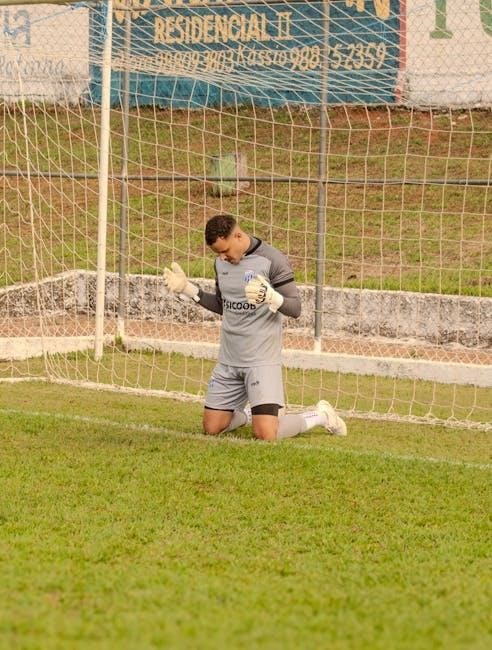
Determining glove size based on hand length offers another valuable dimension to ensure a precise fit․ Measure from the base of your palm, where it meets your wrist, to the tip of your longest finger․ This measurement, typically in inches, provides a complementary data point alongside hand circumference․
A hand length of 7-7․5 inches often aligns with a size 8 glove, while 7․5-8 inches suggests a size 9․ For lengths between 8-8․5 inches, a size 10 is usually appropriate, and exceeding 8․5 inches may necessitate a size 11․ However, hand length alone isn’t definitive; consider your hand’s breadth and the glove’s cut․ Always consult the specific brand’s sizing guide, as variations exist, and prioritize a comfortable, secure fit․
Factors Affecting Glove Size Choice
Selecting the correct goalkeeper glove size isn’t solely based on measurements; several factors significantly influence the ideal fit․ The palm cut – negative, roll finger, or flat palm – alters how the glove conforms to your hand, impacting sizing needs․ A negative cut generally requires a snugger fit, while roll finger offers more room․
Latex thickness also plays a role․ Thicker latex provides more cushioning but can feel bulkier, potentially necessitating a half-size larger․ Furthermore, glove brands exhibit sizing inconsistencies․ What’s a size 10 in one brand might feel different in another․ Always check brand-specific charts and, ideally, try gloves on before purchasing to account for these variations and ensure optimal comfort and performance․
Palm Cut and its Influence on Fit
The palm cut dramatically affects a goalkeeper glove’s fit and feel, influencing the sizing you’ll need․ Negative cut gloves are designed for a very snug fit, wrapping tightly around the fingers, demanding a precise size to avoid restriction․ Roll finger gloves, with the latex extending over the fingers, generally require a slightly larger size to accommodate the extra material and ensure comfortable articulation․
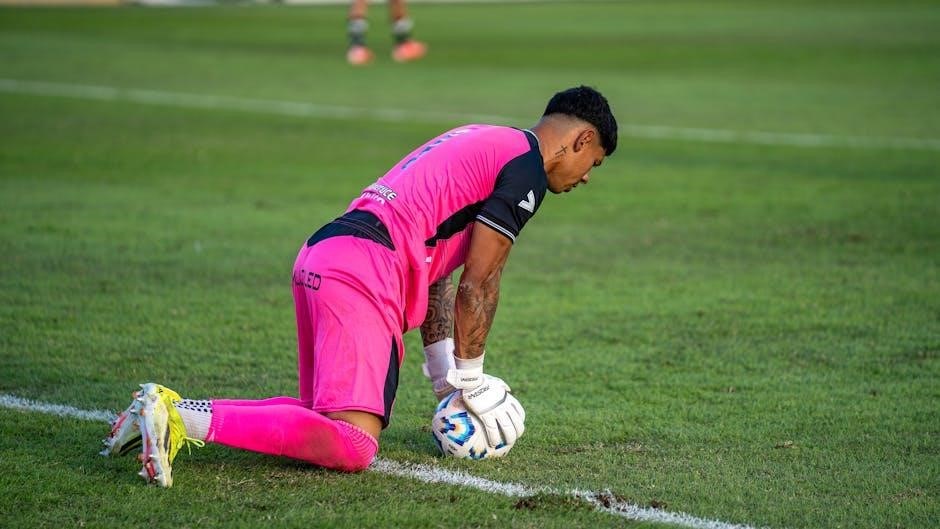
Flat palm cut gloves offer a more traditional fit, providing a balance between comfort and control․ These often align closely with standard sizing charts, but individual preferences still matter․ Understanding how each cut interacts with your hand shape is crucial for selecting the right size and maximizing performance on the field․
Latex Thickness and Sizing Considerations
Latex thickness significantly impacts how a goalkeeper glove fits and performs, influencing your size selection․ Thicker latex provides superior cushioning and durability but can reduce dexterity and require a slightly larger glove size to accommodate the added volume․ Conversely, thinner latex offers enhanced feel and control, often fitting more snugly, potentially requiring a smaller size․
Consider the type of play and weather conditions; thicker latex is beneficial in wet or cold conditions, while thinner latex excels in dry, warmer environments․ When trying on gloves with varying latex thicknesses, pay attention to how comfortably your fingers move and whether the palm feels secure without being overly restrictive; Finding the right balance is key․
Glove Brand Variations in Sizing
Goalkeeper glove sizing isn’t standardized across all brands, meaning a size 8 in one brand might not perfectly equate to a size 8 in another․ Manufacturing differences, palm shapes, and overall glove construction contribute to these variations․ Some brands tend to run larger or smaller, necessitating careful consideration when switching between manufacturers․
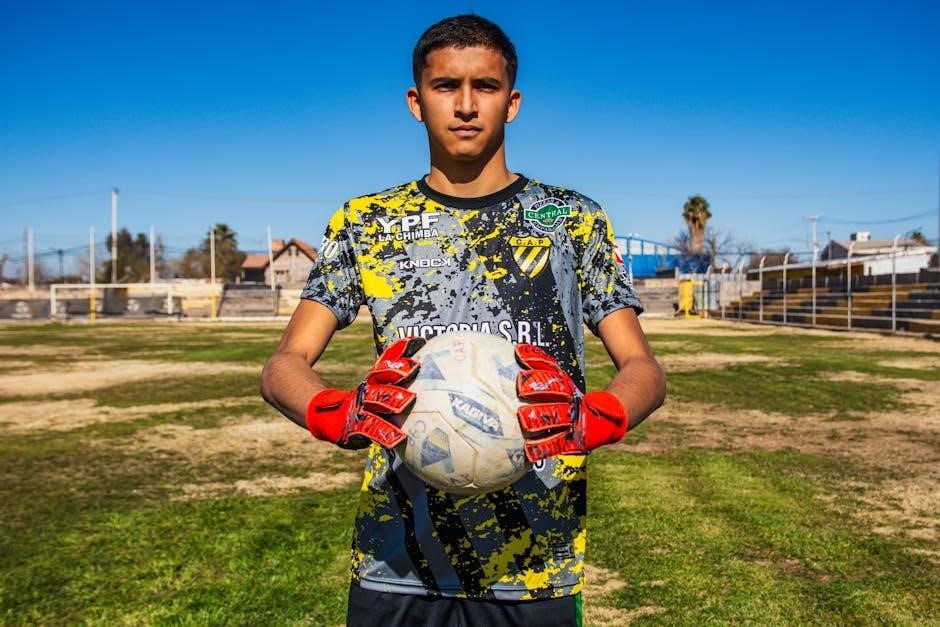
Always consult the specific size chart provided by each brand before making a purchase․ Reading reviews from other goalkeepers can also offer valuable insights into a brand’s sizing tendencies․ It’s often advisable to try on gloves from different brands, if possible, to determine your ideal fit within each specific range․ Prioritize comfort and performance over simply relying on a numerical size․
Common Glove Sizing Mistakes to Avoid
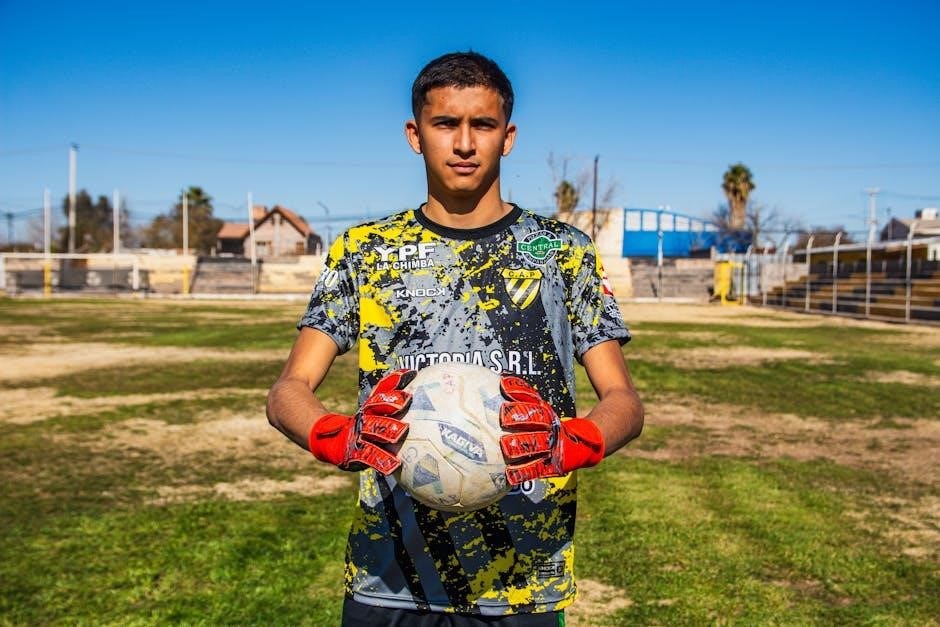
A frequent error is assuming your hand size remains constant; hand size can fluctuate slightly due to temperature and activity․ Another mistake is relying solely on age or general hand size charts without precise measurement․ Many goalkeepers incorrectly prioritize a tight fit, restricting movement and comfort, hindering performance․
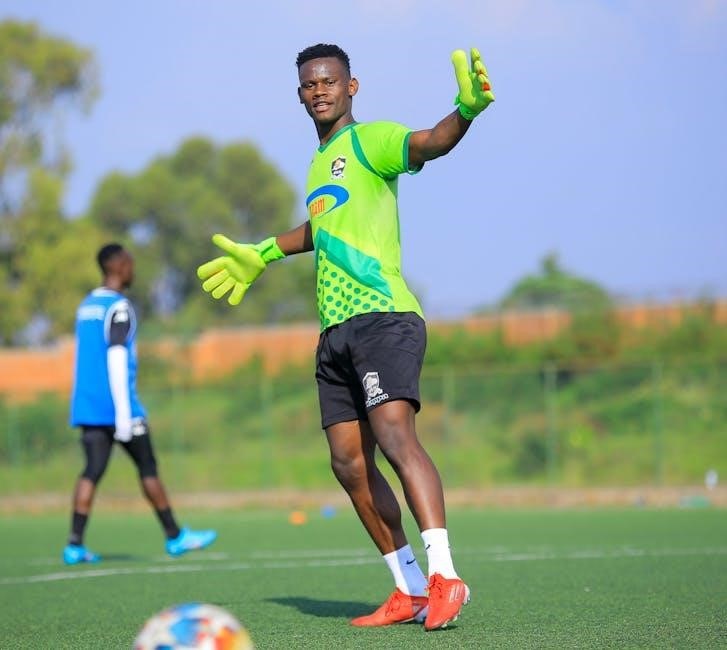
Ignoring palm cut variations is also a common issue, as different cuts influence the required size․ Failing to account for latex thickness – thicker latex often requires a slightly larger size – can lead to discomfort․ Finally, purchasing gloves online without considering brand-specific sizing charts is a significant pitfall․ Accurate measurement and brand research are crucial for avoiding these common sizing errors․
Trying on Gloves: What to Look For
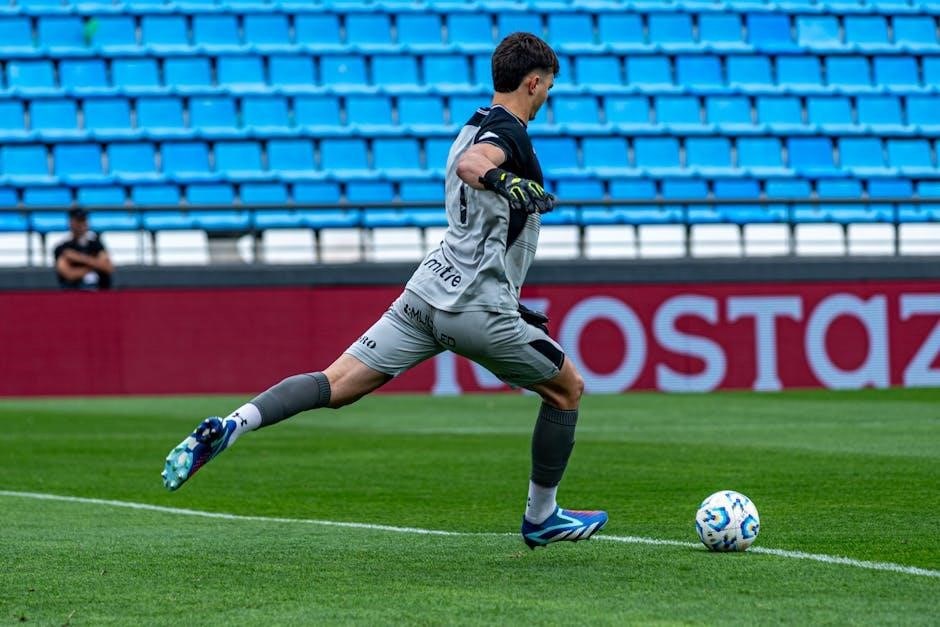
When trying on goalkeeper gloves, prioritize a snug, yet comfortable fit․ Begin by checking finger fit; fingertips should comfortably reach the glove’s end without excessive tightness or looseness․ Ensure there’s adequate space for natural finger movement, crucial for catching and control․ Assess wrist and backhand comfort – the glove shouldn’t constrict wrist movement or cause pressure points on the back of your hand․
Simulate game-like movements, making fists and extending your fingers to evaluate the glove’s flexibility and range of motion․ Pay attention to any areas of discomfort or restriction․ A proper fit allows for confident handling and optimal performance, so don’t settle for anything less than perfect comfort and control․
Checking for Proper Finger Fit
Assessing finger fit is paramount when selecting goalkeeper gloves․ Your fingertips should ideally extend to the glove’s end, but not be jammed tightly against the material․ A small amount of space – approximately ¼ to ½ inch – allows for natural finger movement, essential for secure ball handling and quick reactions․
Avoid gloves where your fingertips are significantly short of the end, as this restricts dexterity and control․ Conversely, excessive space can lead to slippage and reduced feel․ Flex your fingers, making a fist and extending them fully, to ensure the glove moves with your hand, not against it․ Proper finger fit enhances confidence and maximizes performance on the field․
Assessing Wrist and Backhand Comfort
Beyond finger fit, evaluating wrist and backhand comfort is crucial for a secure and unrestrictive feel․ The glove’s closure system – typically a strap or elastic – should provide a snug, yet not overly tight, fit around your wrist․ This prevents unwanted movement during saves and offers essential support․
Check for any pinching or rubbing on the back of your hand, particularly around the wrist area․ The backhand material should feel flexible and allow for a full range of motion․ A comfortable backhand enhances protection during diving and impacts․ Ensure the glove doesn’t impede natural wrist flexion; a comfortable fit translates to improved agility and confidence during gameplay․
Glove Break-In Period and Size Adjustment
New goalkeeper gloves often require a break-in period to achieve optimal comfort and performance․ Initially, the latex palm may feel stiff, limiting flexibility and grip․ Consistent use – through training and matches – gradually softens the latex, molding it to your hand’s unique contours․
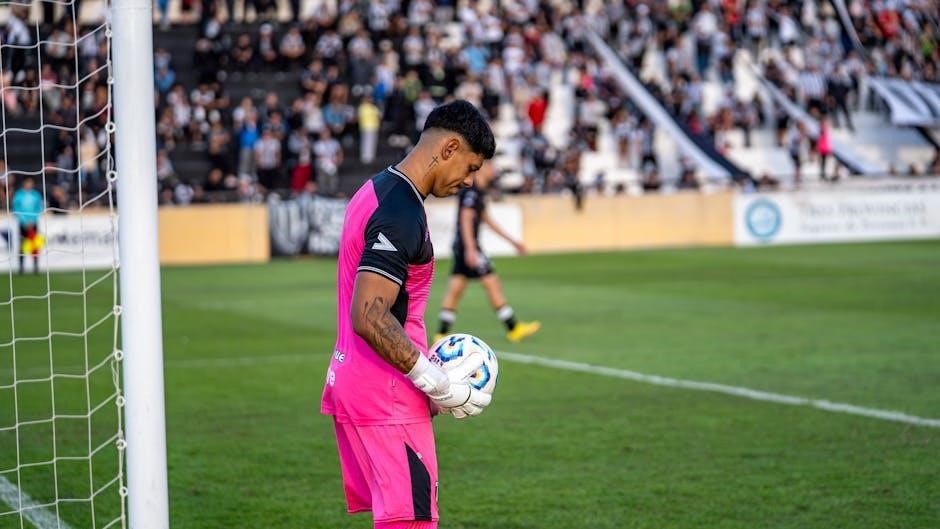
During this break-in phase, monitor the fit closely․ A slightly snug fit initially can be acceptable, as the latex will conform over time․ However, avoid gloves that feel excessively tight, as they may not stretch enough to become comfortable․ If discomfort persists after several sessions, consider exchanging for a slightly larger size․ Proper break-in maximizes grip and control, enhancing your overall goalkeeping ability․
Specific Glove Cut Considerations & Sizing
The cut of a goalkeeper glove significantly impacts fit and sizing considerations․ Different cuts offer varying degrees of flexibility and ball control, influencing the ideal size choice․ Understanding these nuances is crucial for finding the perfect fit․
Glove cuts are determined by how the palm area is constructed․ This impacts flexibility and feel․ A negative cut generally requires a snug fit, potentially sizing down slightly․ Roll finger cuts, with their external stitching, often benefit from a standard or slightly larger size․ Flat palm cuts typically offer a more forgiving fit, allowing for greater sizing flexibility․ Always consult the brand’s specific sizing recommendations for each cut style to ensure optimal performance and comfort․
Negative Cut Gloves & Sizing
Negative cut gloves feature an internal seam construction, providing a very close and secure fit․ This design enhances ball control and feel, as the stitching sits inside the glove, creating a larger, uninterrupted contact area with the ball․ Due to this snug fit, negative cut gloves often require a slightly smaller size compared to other cuts․
Goalkeepers often prefer to size down half a size or even a full size with negative cut gloves to eliminate excess space and maximize dexterity․ A properly fitted negative cut glove should feel like a second skin, offering exceptional sensitivity and responsiveness․ Ensure your fingers fill the fingertips completely without feeling constricted, and that there’s no excessive movement within the glove․
Roll Finger Cut Gloves & Sizing
Roll finger cut gloves are characterized by their externally stitched seams, which wrap around the fingertips․ This construction creates a larger surface area for catching the ball and provides excellent protection․ The external seams also offer enhanced durability․ Sizing for roll finger gloves generally aligns closely with standard sizing, but considerations should be made for individual preferences․
Because of the rolled fingertip design, some goalkeepers prefer a slightly tighter fit to maintain optimal control․ However, unlike negative cut gloves, sizing down dramatically isn’t usually necessary․ A comfortable, secure fit is key – ensure your fingers reach the fingertips without being overly compressed․ Pay attention to the thumb area; it should fit snugly without restricting movement․
Flat Palm Cut Gloves & Sizing
Flat palm cut gloves, also known as classic cut gloves, feature a traditional flat palm construction with internal stitching․ This design offers a comfortable, relaxed fit and maximizes the contact area between the hand and the ball, providing exceptional ball control and feel․ They are a popular choice for goalkeepers who prioritize comfort and a natural touch․
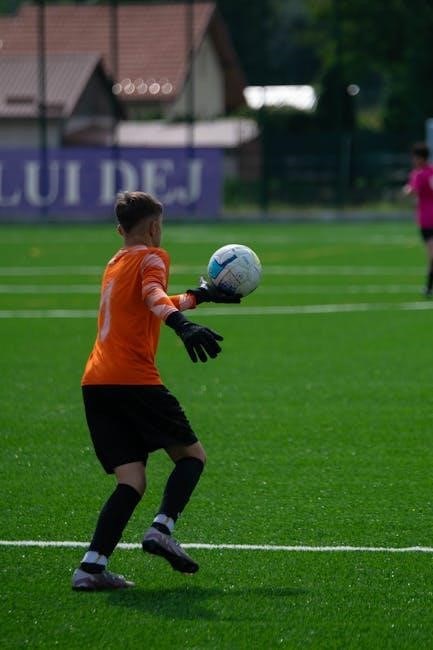
Sizing for flat palm gloves tends to be the most forgiving․ Due to the relaxed fit and internal stitching, a slightly larger glove won’t significantly hinder performance․ However, avoid excessive looseness, as it can reduce control․ A snug, but not tight, fit is ideal․ Ensure your fingertips comfortably reach the end of the glove, and there’s no excessive space within the palm․ Consider your hand’s volume when selecting a size․
Professional Goalkeeper Glove Size Preferences
Professional goalkeepers exhibit diverse preferences regarding glove size, often deviating from standard charts based on individual hand shapes, playing styles, and brand loyalty․ Many prioritize a snug fit for enhanced control and feel, sometimes opting for a size smaller than conventionally recommended․ However, this isn’t universal․
Some professionals favor a slightly larger size to accommodate hand swelling during intense matches or to provide extra protection․ Brand-specific sizing variations also play a crucial role; a size 8 in one brand might fit differently in another․ Ultimately, professional choices are highly personalized, reflecting years of experience and fine-tuning to achieve optimal performance․ They often experiment with multiple sizes and cuts before settling on their preferred setup․
Where to Buy Goalkeeper Gloves and Get Fitted
Finding the right retailer is crucial for a proper glove fitting experience․ Specialty soccer stores, both brick-and-mortar and online, offer a wider selection and knowledgeable staff compared to general sporting goods stores․ Local soccer clubs often partner with retailers to host fitting events, providing expert guidance․
When visiting a store, don’t hesitate to ask for assistance and try on multiple sizes and cuts․ Online retailers often provide detailed size charts and customer reviews, but the ability to physically try on gloves is invaluable․ Consider stores with generous return policies, allowing you to test the gloves during training before committing to a purchase; Proper fitting ensures optimal performance and comfort on the field․
Caring for Your Gloves to Maintain Fit
Proper glove care extends their lifespan and preserves the fit․ Always allow gloves to air dry naturally after each use, avoiding direct heat sources like radiators or direct sunlight, which can damage the latex․ Store gloves in a cool, dry place, ideally in a ventilated glove bag to prevent mildew and maintain shape․
Regularly clean your gloves with a specialized glove cleaner to remove dirt and grime, which can degrade the latex․ Avoid harsh detergents or solvents․ Following each match or training session, gently wipe down the palm with a damp cloth․ Consistent care ensures the gloves retain their grip and shape, contributing to a consistent and reliable fit throughout their use․
Related Posts

frost mage cata pvp guide
Unleash the icy power of the Frost Mage in Cataclysm PvP! This guide covers builds, rotations, & strategies to freeze your opponents. Level up your game now!

hunting guides mississippi whitetail deer
Dreaming of bagging a trophy buck? Our Mississippi whitetail deer hunting guides offer expert knowledge & unforgettable experiences. Plan your hunt now!

lucitone 199 shade guide
Discover the Lucitone 199 Shade Guide for precise color matching. Perfect for dental professionals and labs seeking accuracy and versatility in shade selection.