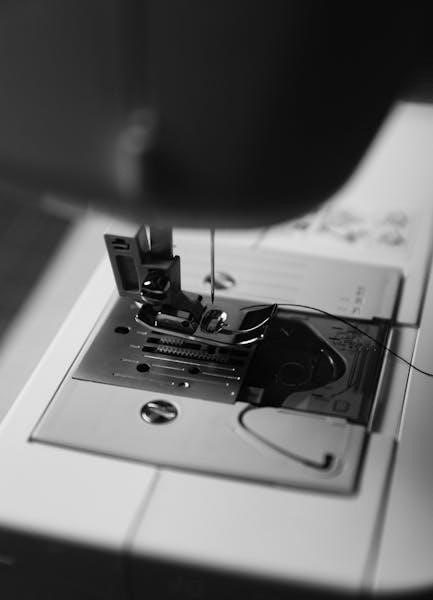
singer touch and sew manual
Singer Touch and Sew Manual: A Comprehensive Guide
Navigating the world of vintage sewing requires accessible resources. This guide compiles information on locating Singer Touch and Sew manuals,
often available as PDF downloads from sites like ManualsLib and the official Singer website.
Singer Touch and Sew machines represent a pivotal era in home sewing technology, blending mechanical reliability with user-friendly features. These machines, popular for decades, often require their original manuals for optimal operation and repair. Finding these resources can sometimes be challenging, as many are older models. However, numerous online archives and the official Singer website offer PDF versions of instruction and parts list manuals.
These manuals are invaluable for understanding the machine’s functions, troubleshooting common issues, and ensuring proper maintenance. They detail everything from basic operation to advanced sewing techniques, empowering both novice and experienced sewers to unlock the full potential of their Singer Touch and Sew machine.
History of the Singer Touch and Sew Machines
Singer introduced the Touch and Sew family in the 1970s, aiming to simplify the sewing experience with electronic controls and pre-programmed stitch patterns. These machines marked a shift from purely mechanical operation, appealing to a broader audience. The models, like the 648, 758, and 600, quickly gained popularity for their ease of use and versatility.
However, their electronic components also introduced new maintenance challenges, making access to original manuals crucial. Over time, Singer transitioned away from providing physical copies, increasing the reliance on online resources for documentation. Preserving these manuals ensures continued usability and repairability of these iconic machines.
Popular Singer Touch and Sew Models
Singer Touch and Sew machines boast several beloved models, each with unique features. The 648 is known for its robust build and straightforward operation, while the 758 offered expanded stitch options and decorative capabilities. The 600 provided a more compact and affordable entry point into the Touch and Sew line.
Finding specific manuals for these models is essential for optimal performance. Online resources often categorize manuals by model number, simplifying the search process. Understanding the nuances of each machine through its dedicated manual unlocks its full potential and facilitates effective troubleshooting and repair.
Singer Touch and Sew 648
The Singer Touch and Sew 648 is a popular model celebrated for its durability and ease of use. Its instruction manual, frequently found as a PDF download, details basic operations, threading procedures, and stitch selection. Many online sources indicate the manual’s availability, though some downloads may be repetitive copies from search engine results.
Users often seek the 648 manual for guidance on maintaining this classic machine. Accessing the manual allows owners to confidently address common issues and ensure continued functionality. The 648 remains a favorite among sewing enthusiasts due to its reliable performance and readily available support resources.

Singer Touch and Sew 758
The Singer Touch and Sew 758 sewing machine, like the 648, benefits from readily available instruction manuals, often distributed as PDF files online. However, users should be aware that some downloads are repetitive, originating from manual search engine websites. These manuals cover essential aspects like threading, stitch adjustments, and basic machine operation.
Finding a complete and clear manual is crucial for maintaining the 758’s functionality. Enthusiasts appreciate the 758’s features, and a good manual empowers them to tackle repairs and ensure years of reliable sewing. Resources like ManualsLib are frequently cited as sources for this model’s documentation.
Singer Touch and Sew 600
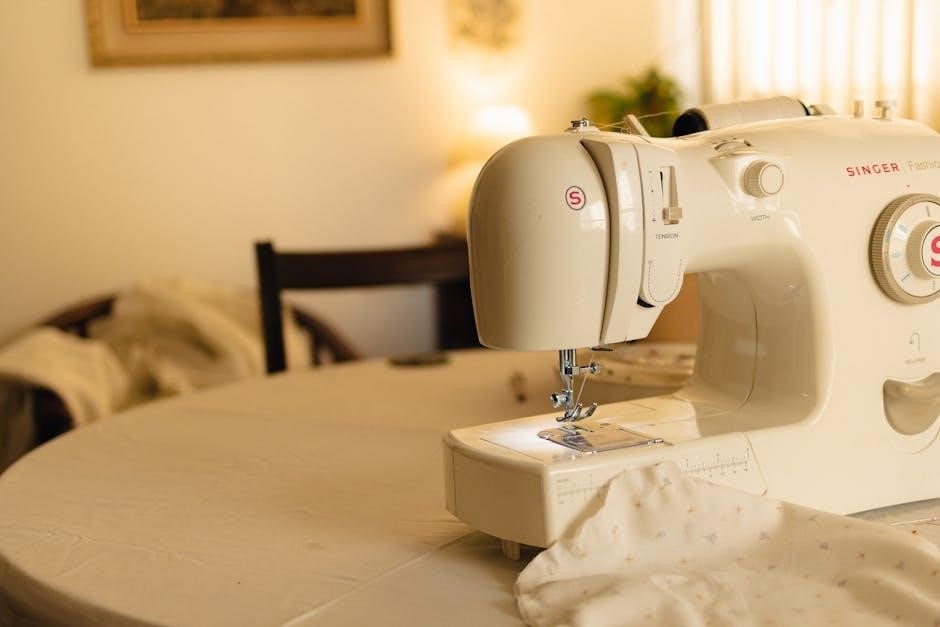
Locating a manual for the Singer Touch and Sew 600 can sometimes present challenges, as many available online are lengthy and contain repetitive text. These often originate from manual search engines like Manualslib.com, where the same document appears multiple times. Despite this, a manual is vital for understanding the machine’s unique features and ensuring proper operation.
Users seeking a comprehensive guide should persevere in their search, as a functional manual unlocks the full potential of the 600. It provides essential instructions for threading, stitch selection, and troubleshooting common issues, extending the machine’s lifespan and sewing enjoyment.
Accessing Singer Touch and Sew Manuals
Finding the correct manual for your Singer Touch and Sew machine is crucial for maintenance and repair. Fortunately, several online resources offer access to these valuable documents. The official Singer website (http://www.singerco.com/accessories/instruction-manuals) provides a dedicated section for downloadable PDF manuals, offering a direct source for authentic guides.
Alternatively, websites like ManualsLib and similar online archives host a vast collection of user manuals. While these can be helpful, be aware that some listings may contain repetitive or incomplete information. Careful searching and verification are recommended to ensure accuracy.
Official Singer Website for Manuals
Singer’s official website (http://www.singerco.com/accessories/instruction-manuals) stands as the most reliable source for authentic Touch and Sew manuals. This platform offers a dedicated section specifically for instruction manuals and user guides, ensuring you receive the correct documentation for your machine model.
Downloading directly from Singer guarantees the manual hasn’t been altered or corrupted, providing accurate information for operation, maintenance, and troubleshooting. The manuals are typically available as free PDF downloads, easily accessible with a simple search by model number. This direct access streamlines the process, saving time and ensuring document integrity.
ManualsLib and Similar Online Resources
ManualsLib (https://www.manualslib.com/) and comparable online repositories offer a vast collection of Singer Touch and Sew manuals, often sourced from user contributions. While convenient, verifying the manual’s accuracy is crucial, as documents may sometimes be incomplete or repetitive, as noted in several user experiences.
These platforms can be valuable when the official Singer website lacks a specific model’s manual. However, be aware that downloads might contain lengthy, repeated content from search engine results. Exercise caution and cross-reference information whenever possible to ensure reliable guidance for your sewing machine.
PDF Download Availability
Singer Touch and Sew manuals are frequently available as PDF downloads, offering convenient access to instructions and diagrams. The official Singer website (http://www.singerco.com/accessories/instruction-manuals) is a primary source, providing direct downloads for many models.
However, resources like ManualsLib also host numerous PDF versions. Be mindful that some PDFs sourced from these sites may be lengthy and contain repetitive text due to their origin as search engine results. Always confirm the document’s relevance to your specific machine model before relying on its contents.

Understanding the Manual’s Contents
Singer Touch and Sew manuals comprehensively cover machine operation, beginning with basic functions and progressing to more intricate techniques. A crucial section details threading the machine, often accompanied by illustrative diagrams. Users will find guidance on stitch selection and adjustment, enabling customization for various fabrics and projects.
Many manuals emphasize following illustrations for guidance, particularly when undertaking new projects. They often suggest using specific fabric types for optimal results and highlight key stitching points with dashed lines. The core aim is to empower users to enjoy the “joy of sewing” with confidence.
Basic Machine Operation
Singer Touch and Sew machines, while vintage, share fundamental operational principles. Understanding these basics unlocks a world of sewing possibilities. Manuals detail power switch locations, foot pedal function, and initial machine setup. Emphasis is placed on proper bobbin winding and insertion, critical for stitch formation.
Users learn to adjust stitch length and width, influencing the appearance and strength of seams. The manual guides through practicing on scrap fabric before tackling projects. Familiarizing oneself with these core operations ensures smooth and enjoyable sewing experiences, building confidence with each stitch.
Threading the Machine
Threading a Singer Touch and Sew machine correctly is paramount for consistent stitch quality. Manuals provide detailed diagrams illustrating the precise thread path, from spool to needle. This includes navigating thread guides, tension discs, and the take-up lever.
Incorrect threading leads to skipped stitches or tangled thread, frustrating the sewing process. The manual stresses the importance of lifting the presser foot during threading to release tension. Following these illustrated steps meticulously ensures proper thread engagement, resulting in beautifully formed stitches and a seamless sewing experience.
Stitch Selection and Adjustment
Singer Touch and Sew manuals detail each stitch’s purpose and appropriate settings. Users learn to select stitches using dials or buttons, understanding variations like zigzag, straight stitch, and decorative options. Adjustments for stitch length and width are crucial for achieving desired results on different fabrics.
The manual emphasizes test sewing on scrap fabric to fine-tune settings before starting a project. Proper adjustment prevents puckering, loose stitches, or fabric damage. Mastering stitch selection and adjustment unlocks the machine’s full potential, enabling creative and professional-quality sewing outcomes.
Common Issues and Troubleshooting
Singer Touch and Sew manuals dedicate sections to resolving frequent problems. Needle issues – breakage, bending, or incorrect insertion – are addressed with clear diagrams. Tension problems, causing looping or puckering, are explained with adjustment guides. Motor and power concerns, like sluggish operation or complete failure, receive diagnostic steps.
The manuals often suggest checking basic elements first: power cord, foot pressure, and proper threading. Detailed illustrations aid in identifying and rectifying issues. Consistent troubleshooting, guided by the manual, extends the machine’s lifespan and minimizes repair costs.
Needle Problems
Singer Touch and Sew manuals thoroughly cover needle-related issues. Frequent concerns include broken needles, often due to incorrect size or threading. Bent needles can result from hitting pins or sewing through thick fabric. Improper insertion, failing to reach the correct height, is another common fault.
Manuals emphasize using the correct needle type for the fabric – universal, ballpoint, or denim. Diagrams illustrate proper insertion, ensuring the flat side faces the correct direction. Troubleshooting guides suggest checking the needle plate and hook for damage. Regular needle replacement prevents further complications.
Tension Issues
Singer Touch and Sew manuals dedicate significant attention to tension adjustments. Incorrect tension leads to looping, puckering, or uneven stitches. The upper tension dial controls the thread from the spool, while the bobbin tension regulates the lower thread. Manuals detail how to identify tension imbalances – loops on the top indicate loose upper tension, while loops underneath suggest tight lower tension.
Illustrated guides demonstrate adjusting both dials incrementally. Cleanliness of the tension discs is crucial; lint buildup hinders proper function. The manual stresses re-threading both threads after adjustments and testing on scrap fabric before sewing a project.
Motor and Power Concerns
Singer Touch and Sew manuals address basic motor troubleshooting. If the machine fails to power on, the manual instructs checking the power cord, foot controller connection, and the machine’s internal wiring (with a qualified technician, if necessary). A slow or erratic motor speed often indicates dust accumulation within the motor housing, requiring careful cleaning.
The manuals caution against forcing the handwheel, as this can damage internal components. Lubrication is key; specific oiling points are detailed with diagrams. If issues persist, the manual recommends professional repair services, emphasizing safety when dealing with electrical components.
Parts and Accessories
Singer Touch and Sew manuals frequently include detailed parts lists, crucial for repairs and maintenance. Specific manuals, like those for models 737, 750, 755, 756, 758, 770, 775 & 778, offer extensive 29-page parts lists available in PDF format. Finding specific components, such as a Take-Up Lever Assembly for the Model 2001, often requires referencing these detailed diagrams.
The manuals emphasize using genuine Singer parts to ensure compatibility and optimal machine performance. Online resources and repair services can assist in sourcing discontinued or hard-to-find accessories.
Take-Up Lever Assembly (Model 2001)
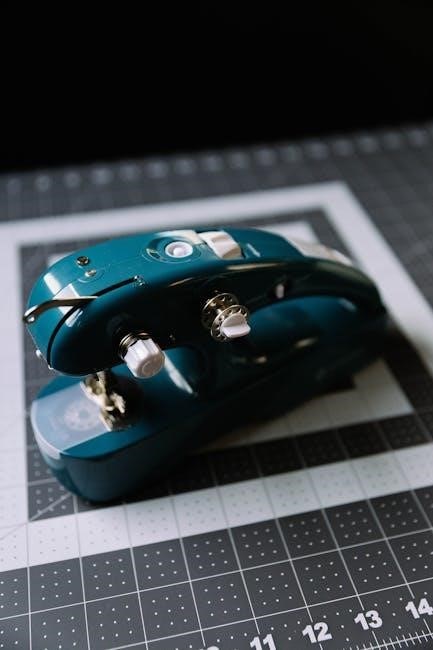
Locating a Take-Up Lever Assembly for the Singer Touch Tronic 2001 can be challenging due to its age. Detailed parts diagrams within the Singer manuals are essential for identifying the correct component. These diagrams illustrate the assembly’s intricate parts and their relationship to the overall machine mechanism.
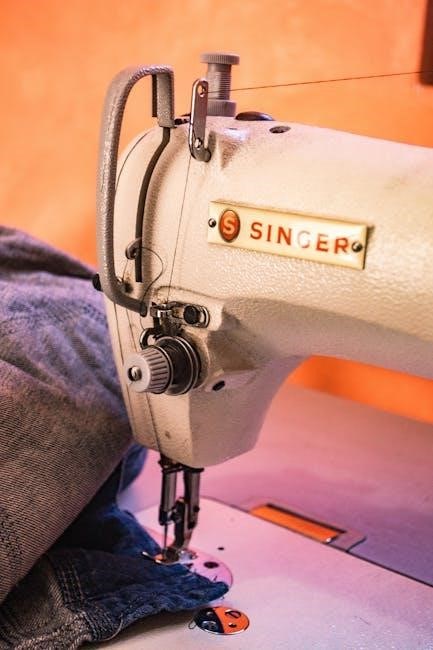
Sourcing this specific part often involves searching online marketplaces or contacting specialized Singer repair services. Accurate model numbers are vital when requesting assistance or ordering replacements, ensuring compatibility and a successful repair;
Parts List Manuals (Models 737, 750, 755, 756, 758, 770, 775 & 778)
Comprehensive parts list manuals are invaluable for maintaining Singer Touch and Sew machines, specifically models 737, 750, 755, 756, 758, 770, 775, and 778. These manuals detail every component, aiding in identification and ordering of replacement parts. A 29-page document is available digitally, often delivered via email after purchase or download.
These resources are crucial for repairs, ensuring correct part selection and proper machine functionality. Accessing these manuals streamlines the restoration process, allowing enthusiasts to keep these classic machines operational for years to come.
Sewing Techniques with Touch and Sew Machines
Mastering sewing with a Singer Touch and Sew machine involves selecting appropriate fabrics, often lightweight felt for beginner projects. Always adhere to fabric recommendations within project instructions for optimal results. Utilize the provided illustrations and stitch guides as visual aids throughout the sewing process.
The dashed lines within these guides clearly indicate stitching paths, simplifying complex designs. Remember to enjoy the creative process; these machines are designed to be user-friendly and inspire a joyful sewing experience. Have fun exploring various techniques!
Choosing the Right Fabric
Selecting the correct fabric is crucial for successful projects with your Singer Touch and Sew machine. Project instructions frequently specify ideal fabric types, and adhering to these recommendations ensures optimal stitch formation and overall garment quality. Lightweight felt, particularly in solid colors, is often suggested for introductory projects due to its ease of handling.
However, explore beyond felt as your skills develop! Consider the fabric’s weight, weave, and fiber content in relation to the chosen stitch and desired outcome. Always test a small sample before committing to a larger piece.
Following Illustrations and Stitch Guides
Singer Touch and Sew manuals heavily rely on visual aids to guide users through each step. Pay close attention to the illustrations, as they demonstrate proper fabric placement, stitch selection, and needle positioning. Dashed lines within these guides clearly indicate the precise stitching paths you should follow for accurate results.
These visual cues are especially helpful for beginners, offering a clear understanding of complex techniques. Utilize the stitch guides to experiment with different patterns and effects, enhancing your sewing creativity. Remember, the illustrations are your roadmap to a beautifully finished project!
Lightweight Felt Projects
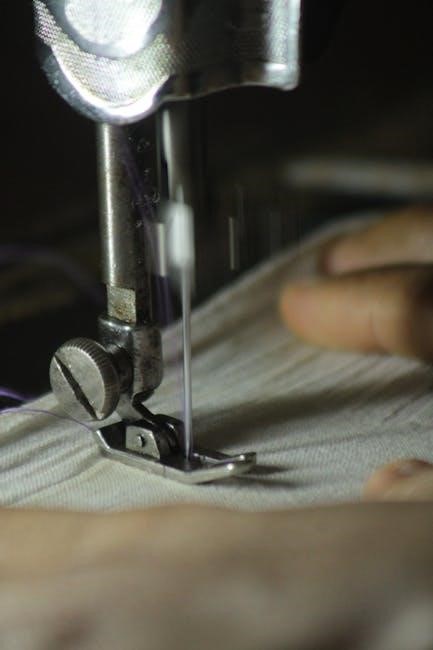
Singer Touch and Sew machines excel at handling lightweight fabrics like felt, making them perfect for beginner-friendly projects. The manuals often suggest felt due to its ease of use and forgiving nature. Choosing a solid-colored felt simplifies the process, allowing you to focus on mastering basic stitching techniques.
These projects are described as “easy to make and lots of fun,” encouraging creativity and building confidence. Always refer to the manual’s illustrations as a guide, carefully following the indicated stitch lines for a polished finish. Enjoy the process and have fun sewing!
Maintenance and Care
Singer Touch and Sew machines, while robust, require regular maintenance to ensure longevity and optimal performance. Though specific details vary by model, consistent cleaning is paramount. The manuals emphasize removing lint and dust from the bobbin area and feed dogs after each use.
Periodic oiling of key components, as detailed in the manual, prevents friction and ensures smooth operation. Addressing minor issues promptly, like needle changes or tension adjustments, prevents larger problems. Proper care extends the life of your machine, allowing for years of enjoyable sewing.
Safety Precautions
Singer Touch and Sew machines, despite their age, still require adherence to fundamental safety guidelines. Always disconnect the power supply before performing any maintenance or changing the needle. Never force the fabric under the needle; let the machine do the work. Keep fingers away from the moving parts, particularly the needle and presser foot, during operation.
Ensure the machine is stable and on a level surface before use. Avoid using damaged power cords or attempting repairs beyond your skill level. Following these precautions will help prevent injuries and maintain a safe sewing environment.

Where to Find Additional Support
Singer Touch and Sew owners can find extensive support beyond manuals. Online sewing communities offer forums and groups where enthusiasts share knowledge and troubleshooting tips. Websites like ManualsLib host user-submitted documents and discussions. For complex repairs, consider professional repair services specializing in vintage sewing machines.
The official Singer website (http://www.singerco.com/accessories/instruction-manuals) provides downloadable manuals. Remember to specify your model number when seeking assistance to ensure accurate advice and parts compatibility.
Online Sewing Communities
Online sewing communities are invaluable resources for Singer Touch and Sew owners. These platforms foster collaboration, allowing users to exchange advice, troubleshooting solutions, and restoration tips. Experienced members often possess specialized knowledge regarding vintage machines, offering guidance beyond what’s found in manuals;
Forums and social media groups dedicated to vintage sewing provide a space to ask questions, share projects, and connect with fellow enthusiasts. Janiesews, a member since February 2012 with over 8,000 posts, exemplifies the helpful expertise found within these communities.
Repair Services
Singer Touch and Sew machines, while durable, sometimes require professional attention. Locating qualified repair services is crucial for maintaining these vintage treasures. Specialized technicians understand the unique mechanics of these machines, offering expertise beyond general sewing machine repair.
When seeking repair services, inquire about experience with Singer Touch and Sew models specifically. Online communities can often provide recommendations for reputable technicians in your area. Be prepared to potentially ship your machine if a local specialist isn’t available, ensuring proper packaging to prevent damage during transit.
The Joy of Sewing with Singer Touch and Sew
Singer Touch and Sew machines offer a unique and rewarding sewing experience. Their robust construction and reliable performance inspire creativity, allowing sewers to tackle diverse projects with confidence. Mastering the machine, aided by readily available manuals, unlocks a world of possibilities.
The satisfaction of creating garments and crafts with a vintage machine is unparalleled. From simple alterations to intricate designs, these machines empower users to express their personal style. Embrace the tactile experience and enjoy the enduring legacy of Singer craftsmanship – sewing should be fun!
Related Posts

dyson dc40 user manual
Get the Dyson DC40 manual in one place—step‑by‑step setup, maintenance tips, and quick fixes. Download now and keep your vacuum running like new.

canon ae 1 camera manual
Lost your Canon AE-1 camera manual? Find a free, downloadable PDF guide here! Learn to master this classic film camera & rediscover the joy of analog photography. ✨

nissan rogue 2011 owners manual
Lost your 2011 Nissan Rogue manual? Find a downloadable version right here! Everything from maintenance to features – keep your Rogue running smoothly. **Nissan Rogue** made easy!