rent stabilized lease form pdf
Understanding Rent Stabilized Lease Forms (NYC)
Rent stabilization in New York City offers crucial protections for tenants‚ and understanding the RTP-8 lease form – available as a PDF – is paramount for both landlords and renters navigating these regulations.
What is Rent Stabilization?
Rent stabilization is a complex system of regulations governing rent increases in certain apartments in New York City. Established to balance the needs of landlords and tenants‚ it applies to buildings constructed before 1974‚ and those that receive tax benefits. This system limits how much a landlord can increase rent each year‚ protecting tenants from drastic‚ unpredictable hikes.
The Rent Guidelines Board (RGB) determines allowable rent adjustments annually‚ as seen with RGB Order 56‚ authorizing specific increases. Crucially‚ rent stabilization doesn’t apply to all apartments; eligibility depends on factors like building size and initial occupancy date. Understanding whether your apartment is rent-stabilized is the first step‚ and the RTP-8 lease form‚ particularly the renewal version (RTP-8 ETPA outside NYC)‚ clearly indicates stabilization status. Properly completed PDF versions of these forms are essential for compliance.
Eligibility for Rent Stabilization
Determining rent stabilization eligibility can be nuanced. Generally‚ apartments in buildings with six or more units built before January 1‚ 1974‚ are potentially rent-stabilized. However‚ there are exceptions! Buildings receiving certain tax abatements‚ like 421-a‚ may have different rules. Additionally‚ vacancy decontrol can remove units from stabilization‚ depending on the tenant’s income and lease terms.
The RTP-8 lease form‚ in its PDF format‚ plays a vital role in confirming stabilization status. Landlords are legally obligated to provide tenants with a rent-stabilized renewal lease if the apartment qualifies. The form itself will explicitly state whether the unit is regulated. If uncertainty exists‚ consulting the Division of Housing and Community Renewal (DHCR) is recommended. Accurate completion of the RTP-8 ETPA form (outside NYC) is crucial for establishing and maintaining eligibility.
The Importance of the Rent Stabilized Lease Form PDF
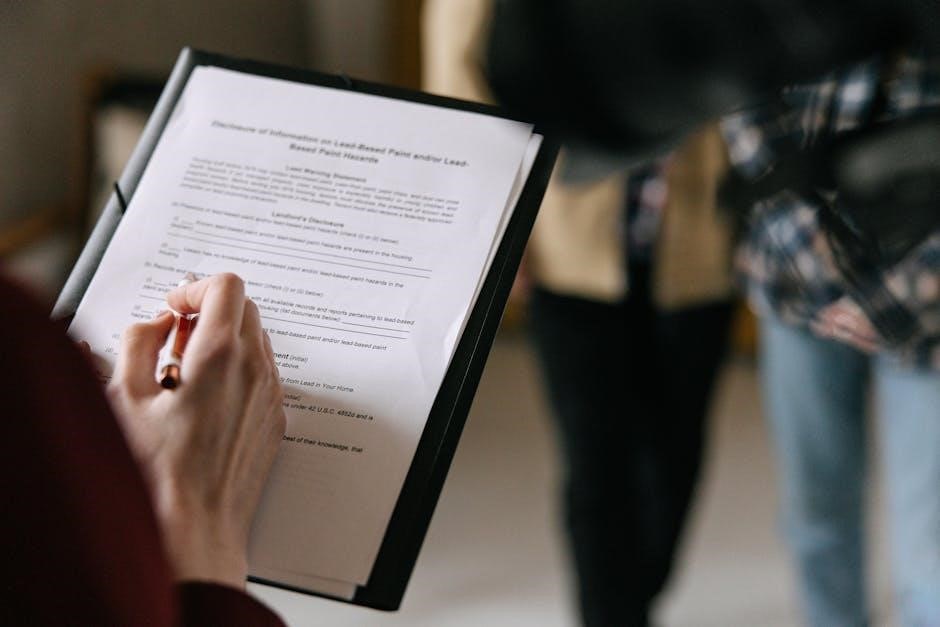
The Rent Stabilized Lease Form PDF – specifically the RTP-8 (inside NYC) and RTP-8 ETPA (outside NYC) – is a legally binding document central to tenant rights and landlord obligations. It outlines the permitted rent increases‚ renewal terms‚ and essential apartment details. Accessing the official PDF ensures you’re using the current‚ DHCR-approved version‚ vital given updates like RGB Order 56 which dictates allowable rent adjustments.
Having this PDF allows tenants to verify their rights and challenge illegal rent increases. For landlords‚ accurate completion and delivery of the form are crucial for legal compliance. Utilizing pdfFiller or similar services can streamline the process‚ but always download the official form. Ignoring the stipulations within the RTP-8 can lead to legal disputes and penalties.

Key Components of the RTP-8 Lease Form
The RTP-8 form meticulously details landlord and tenant information‚ a comprehensive property description‚ and a clear rent schedule outlining payment terms and legal adjustments.
Identifying Information: Landlord and Tenant
The RTP-8 lease form begins with a dedicated section for meticulously recording identifying details of both the landlord and the tenant. For the landlord‚ this includes their full legal name‚ address for official correspondence‚ and contact information – typically a phone number and email address. Accurate details are crucial for legal notifications and communication regarding the tenancy.
Similarly‚ the tenant section requires complete information‚ including their full legal name(s) for all occupants‚ current mailing address‚ and contact details. Providing accurate tenant information ensures proper record-keeping and facilitates effective communication throughout the lease term. This section often includes space to specify the number of occupants residing in the unit‚ which is important for compliance with occupancy regulations.
Incorrect or incomplete information in this section can lead to complications during lease enforcement or renewal processes‚ so careful attention to detail is essential when completing this initial part of the RTP-8 form.
Detailed Property Description
The RTP-8 lease form dedicates a significant portion to a comprehensive property description‚ ensuring clarity and avoiding ambiguity regarding the leased premises. This section requires a precise address of the rental unit‚ including apartment number‚ building number‚ and street name. Beyond the address‚ the form necessitates details about the unit itself‚ such as the number of rooms‚ bathroom count‚ and whether any specific amenities are included – like a balcony or access to shared spaces.

Furthermore‚ the description should accurately reflect the unit’s condition at the lease’s inception. Noting existing damages or features is vital for protecting both landlord and tenant rights. This detailed account serves as a baseline for assessing any changes during the tenancy.

A thorough property description within the RTP-8 minimizes potential disputes and establishes a clear understanding of the physical space being rented‚ contributing to a smoother landlord-tenant relationship.
Rent Schedule and Payment Terms
The RTP-8 lease form’s section on rent meticulously outlines the financial obligations of the tenant. It requires specifying the legal regulated rent‚ reflecting adjustments permitted by the Rent Guidelines Board (RGB) – as per RGB Order 56 – and clearly stating the rent amount for each period. This includes detailing any applicable preferential rent‚ if offered‚ and how it impacts the legal regulated rent;
Crucially‚ the form mandates a clear articulation of payment terms. This encompasses the due date‚ acceptable payment methods (e.g.‚ check‚ electronic transfer)‚ and any late payment penalties. The address for rent remittance must also be explicitly stated.
Accurate completion of this section is vital‚ as it forms the basis of the financial agreement and is subject to scrutiny by the Division of Housing and Community Renewal (DHCR).
Navigating the Renewal Process
Rent stabilized lease renewals utilize the RTP-8 or RTP-8 ETPA forms‚ dictated by location‚ and are subject to guidelines set by RGB Order 56 for rent adjustments.
RGB Order 56 and Rent Adjustments
RGB Order 56‚ issued by the Rent Guidelines Board‚ significantly impacts rent stabilized lease renewals in New York City. This order authorizes landlords to adjust legal regulated rents‚ but within specific parameters. Consequently‚ the Division of Housing and Community Renewal (DHCR) released updated RTP-8 lease forms for apartments located within NYC‚ and the RTP-8 ETPA form for those outside of NYC.
These updated forms reflect the allowable rent increases as determined by RGB Order 56. Understanding these adjustments is crucial for both tenants and landlords completing the renewal process. The order details specific percentage increases based on apartment characteristics and building-wide factors. Accurate application of these guidelines‚ as outlined in the PDF lease form‚ ensures compliance with city regulations and avoids potential disputes. Tenants should carefully review the proposed rent increase on their renewal form against the RGB guidelines.
The ETPA and RTP-8 ETPA Forms
For rent-stabilized apartments located outside of New York City‚ the Emergency Tenant Protection Act (ETPA) governs regulations. Consequently‚ a specific lease form‚ the RTP-8 ETPA‚ is utilized for renewals and new tenancies. This form differs from the standard RTP-8 used within NYC‚ reflecting the distinct rules and guidelines of the ETPA.
The RTP-8 ETPA PDF incorporates provisions specific to ETPA-covered areas‚ including rent increase limitations and tenant protections. Landlords must utilize this correct form to ensure legal compliance. The DHCR provides the official RTP-8 ETPA form for download‚ and it’s essential to obtain it directly from their website to guarantee accuracy. Understanding the nuances between the standard RTP-8 and the RTP-8 ETPA is vital for both landlords and tenants to navigate the renewal process correctly and avoid potential legal issues.
Timing of Lease Renewal Notices
Proper timing is critical when it comes to rent stabilized lease renewals in NYC. Landlords are legally obligated to provide tenants with a renewal lease form (RTP-8)‚ or RTP-8 ETPA if applicable‚ within a specific timeframe before the existing lease expires. Generally‚ this notice must be sent between 90 and 150 days prior to the lease end date.
Failure to adhere to these deadlines can have significant consequences for landlords‚ potentially invalidating their right to increase rent. Tenants should also be mindful of response deadlines outlined in the RTP-8 PDF. Promptly reviewing and responding to the renewal offer is crucial. Keeping accurate records of notice dates and responses is highly recommended for both parties‚ ensuring a smooth and legally sound renewal process.

Accessing and Completing the Form
RTP-8 and RTP-8 ETPA forms‚ as PDF documents‚ are readily downloadable from the DHCR website‚ requiring careful completion and adherence to instructions.
Where to Download the Official PDF
Obtaining the official Rent Stabilized Lease Form (RTP-8 or RTP-8 ETPA) as a PDF is a critical first step in the renewal or initial lease process. The primary and most reliable source for these forms is the New York State Division of Housing and Community Renewal (DHCR) website.

Specifically‚ tenants and landlords should navigate to the DHCR’s section dedicated to rent stabilization. There‚ you’ll find direct links to download both the standard RTP-8 form‚ used within New York City‚ and the RTP-8 ETPA form‚ intended for use outside of New York City but still within the regulated areas.
pdfFiller also offers access to these forms‚ but always verify that you are using the most current version released by the DHCR. Downloading directly from the DHCR ensures you have the legally compliant document. Be cautious of third-party websites offering these forms‚ as they may be outdated or inaccurate. Always look for the official DHCR branding and date of issuance on the document itself.
Step-by-Step Guide to Filling Out the Form
Completing the RTP-8 (or RTP-8 ETPA) Rent Stabilized Lease Form PDF requires careful attention to detail. Begin by accurately entering identifying information for both the landlord and tenant‚ including names‚ addresses‚ and contact details. Thoroughly describe the property‚ including the apartment number and any included amenities.
The rent schedule is crucial; meticulously input the current rent‚ any allowable increases based on RGB Order 56 guidelines‚ and the total rent due. Clearly outline payment terms‚ accepted methods‚ and late fee policies.
Ensure all sections are completed‚ and any required signatures are obtained. Double-check all entries for accuracy before submission. pdfFiller can assist with digital completion‚ but always retain a copy for your records. Refer to the DHCR guidelines for clarification on any ambiguous sections.
Common Mistakes to Avoid
When completing the RTP-8 Rent Stabilized Lease Form PDF‚ several common errors can lead to complications. A frequent mistake is incorrectly calculating the rent adjustment allowed under RGB Order 56 – always verify the current guidelines from the DHCR.
Failing to accurately identify the property and tenant details is another issue. Incomplete sections or illegible handwriting can cause delays or rejection.
Landlords sometimes incorrectly apply rent increases or fail to provide necessary lease riders. Tenants should carefully review the completed form before signing‚ ensuring all terms are accurate and compliant with rent stabilization laws. Utilizing resources like pdfFiller can help‚ but doesn’t replace careful review. Avoid relying on outdated forms; always use the most current RTP-8 or RTP-8 ETPA version.
Resources and Assistance
DHCR provides guidance‚ while Legal Aid Societies and tenant advocacy groups offer crucial support for understanding the RTP-8 and navigating rent stabilization rules.
Division of Housing and Community Renewal (DHCR)
The Division of Housing and Community Renewal (DHCR) is the primary agency governing rent stabilization in New York City. They are responsible for overseeing the implementation of rent regulations and providing essential resources related to the RTP-8 lease form – both the standard version for within NYC and the RTP-8 ETPA version for outside NYC.
DHCR’s website is the official source for downloading the current‚ updated PDF of the lease form‚ ensuring you have the most legally compliant document. They also publish guidelines‚ fact sheets‚ and frequently asked questions to assist tenants and landlords in understanding their rights and obligations. Crucially‚ DHCR issues orders like RGB Order 56‚ which dictate allowable rent adjustments‚ directly impacting the figures entered on the RTP-8 form during lease renewals.
Tenants facing disputes or needing clarification on rent stabilization laws can contact DHCR for assistance. The agency offers various services‚ including complaint resolution and information regarding the renewal process‚ making it a vital resource for navigating the complexities of rent-stabilized housing.
Legal Aid Societies in NYC
Navigating the intricacies of a rent stabilized lease form PDF‚ particularly the RTP-8‚ can be daunting. Fortunately‚ several Legal Aid Societies throughout New York City offer invaluable assistance to tenants. These organizations provide free legal representation and advice to low-income individuals facing housing-related issues‚ including disputes over rent increases or improper lease terms.
They can help tenants understand their rights under rent stabilization laws‚ review their lease for compliance with regulations like RGB Order 56‚ and represent them in proceedings before the DHCR or in Housing Court. Legal Aid Societies can also assist with completing the RTP-8 ETPA form correctly‚ ensuring all required information is accurately provided.
Accessing these services is crucial for tenants who feel overwhelmed or unsure about their legal standing. These societies empower tenants to advocate for themselves and protect their housing rights within the complex landscape of NYC rent stabilization.
Tenant Advocacy Groups
Beyond legal aid‚ numerous Tenant Advocacy Groups in New York City dedicate themselves to educating renters about their rights concerning rent stabilized lease forms‚ like the RTP-8 and RTP-8 ETPA. These groups offer workshops‚ informational materials‚ and individual consultations to help tenants understand complex regulations‚ including those outlined in RGB Order 56.
They provide guidance on properly completing lease renewal forms‚ challenging improper rent increases‚ and navigating disputes with landlords. Advocacy groups often monitor changes in rent stabilization laws and advocate for policies that protect tenants’ interests.
These organizations serve as valuable resources for tenants seeking to understand their rights and responsibilities‚ particularly when dealing with a rent stabilized lease form PDF. They empower renters to actively participate in preserving affordable housing and ensuring fair treatment within the NYC rental market;
Related Posts

battletech a time of war pdf
Explore the epic chronicle of the Time of War, where factions clash and mech legendsRead More

jeopardy questions and answers pdf
Need a brain boost? Download free Jeopardy! questions & answers in PDF format! Perfect for game nights, study sessions, or just fun. Challenge your friends!
honeywell s8610u manual pdf
Need the Honeywell S8610U manual in PDF format? Find it fast & easily! Troubleshooting, setup, and all the info you need to get your system running smoothly.